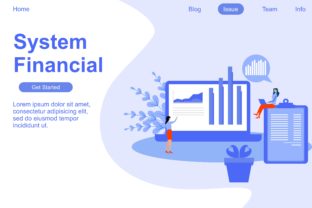
ERP Enterprise Resource Planning.
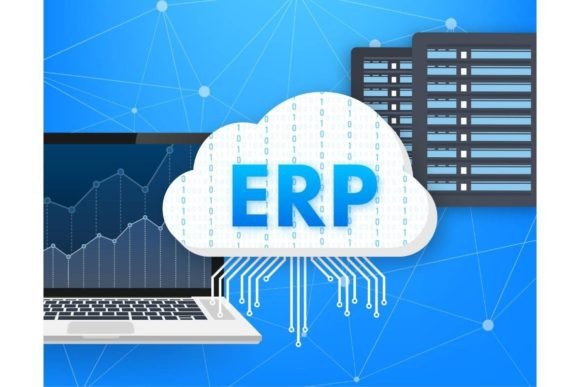
ERP (Enterprise Resource Planning) systems are the backbone of modern enterprise management, offering a comprehensive suite of integrated applications that automate and streamline processes across an organization. These systems manage everything from financials and human resources to supply chain and customer relationship management, providing a unified platform for data-driven decision-making and operational efficiency. With real-time visibility into business operations, ERP solutions help enterprises to optimize performance, reduce costs, and stay agile in a rapidly changing market.
Build Quality & Technical Details
ERP systems boast robust build quality and specifications designed to handle the complexities of large-scale operations. Typically, they feature a modular architecture, allowing businesses to select and implement only the components necessary for their specific needs. Key specifications often include advanced database management, scalable infrastructure, and high-level security protocols. Modern ERP solutions are also cloud-ready, enabling seamless integration with other cloud services and providing the flexibility to access data from anywhere, at any time. The user interface is generally intuitive, with customizable dashboards and reporting tools that cater to various user roles within the organization.
Who Is This Product Best For?
ERP systems are ideal for medium to large enterprises looking to centralize and standardize their business processes. They are particularly beneficial for companies with complex, multi-departmental structures, such as manufacturing, retail, and service industries. Enterprises that need to manage a wide range of functions, from procurement and inventory to sales and marketing, will find ERP solutions indispensable. Additionally, organizations that require real-time data analytics and reporting to make informed decisions will benefit significantly from the comprehensive and integrated approach of ERP systems.
When selecting an ERP system, it's crucial to conduct a thorough needs assessment to identify the specific modules and features your organization requires. Prioritize scalability and flexibility to ensure the system can grow with your business. Additionally, consider the vendor's support and training services, as these will be vital for a smooth implementation and ongoing maintenance.
How It Compares to the Competition
Compared to standalone software solutions, ERP systems offer a more cohesive and integrated approach to managing business operations. While standalone solutions may provide deep functionality in specific areas, they often lack the cross-functional integration and data consistency that ERP systems deliver. In contrast, CRM (Customer Relationship Management) systems focus primarily on sales, marketing, and customer service, whereas ERP systems encompass a broader range of business processes. For instance, SAP and Oracle are leading ERP providers known for their robust and comprehensive offerings, while smaller, more specialized solutions like Sage and Epicor may be more suitable for mid-sized businesses with specific industry needs.
📚 You Might Also Like

Commercial License Included