ERP Enterprise Resource Planning
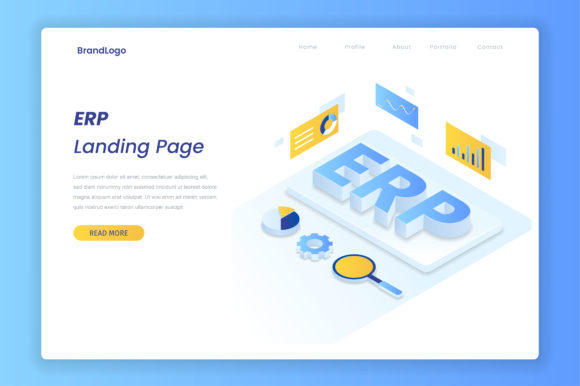
ERP (Enterprise Resource Planning) systems represent a comprehensive solution for managing and integrating the core processes of an enterprise. These systems are designed to streamline operations, improve efficiency, and provide a unified platform for all business activities. From financials and human resources to supply chain and customer relationship management, ERP solutions offer a robust framework that can significantly enhance an organization's operational capabilities. With its ability to centralize data and automate workflows, ERP is a cornerstone technology for modern businesses aiming to stay competitive in a rapidly evolving market.
Build Quality & Technical Details
ERP systems are built with a high level of sophistication, incorporating advanced database management, modular architecture, and scalable infrastructure. They typically feature a user-friendly interface, robust security protocols, and integration capabilities with other software tools. The specifications of an ERP system can vary widely depending on the vendor, but common features include real-time data processing, customizable dashboards, and mobile access. Additionally, many ERP solutions support cloud deployment, offering flexibility and accessibility from anywhere. The build quality is generally top-notch, with regular updates and maintenance provided by the vendor to ensure the system remains up-to-date and secure.
Who Is This Product Best For?
ERP systems are ideal for medium to large enterprises that require a centralized and integrated approach to managing their business processes. This includes companies across various industries such as manufacturing, retail, healthcare, and finance. Organizations that are looking to improve their operational efficiency, reduce costs, and gain better visibility into their business performance will benefit the most from implementing an ERP solution. Smaller businesses may also consider ERP, especially if they have complex operations or are experiencing rapid growth and need a scalable solution to manage their expanding needs.
When selecting an ERP system, it's crucial to conduct a thorough needs assessment to identify the specific requirements of your organization. Prioritize features that align with your business goals and consider the scalability and flexibility of the solution. Additionally, invest in adequate training for your staff to ensure a smooth transition and maximize the benefits of the ERP system.
How It Compares to the Competition
Compared to standalone business applications, ERP systems offer a more cohesive and integrated approach to managing multiple facets of an enterprise. While individual applications like CRM, HRM, and SCM can be effective, they often lead to data silos and fragmented processes. ERP solutions, on the other hand, provide a unified platform that eliminates these issues, making it easier to manage and analyze data across different departments. In terms of alternatives, some popular ERP vendors include SAP, Oracle, and Microsoft Dynamics. Each offers unique strengths, such as SAP's extensive industry-specific solutions, Oracle's robust cloud capabilities, and Microsoft Dynamics' seamless integration with other Microsoft products. It's important to evaluate these options based on your specific needs and budget to find the best fit for your organization.
📚 You Might Also Like


Commercial License Included