ERP Enterprise Resource Planning
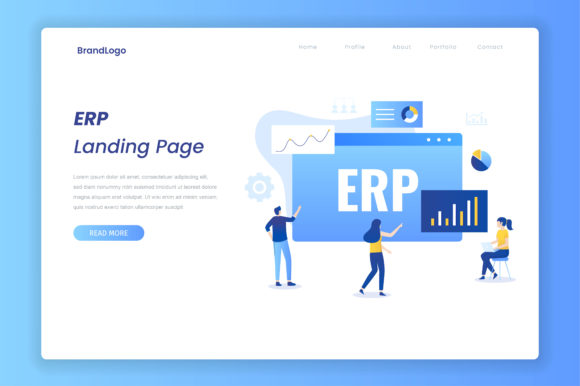
ERP (Enterprise Resource Planning) systems stand as the backbone of modern business operations, offering a comprehensive solution for managing and integrating all facets of an organization's processes. From financials to supply chain management, ERP solutions provide a unified platform that streamlines data flow across various departments, enhancing efficiency, accuracy, and decision-making capabilities. This review delves into the intricacies of ERP systems, highlighting their robust features, scalability, and the transformative impact they can have on enterprise-level businesses.
Build Quality & Technical Details
ERP systems boast a robust architecture designed to handle large volumes of data and complex business processes. Typically built with advanced database technologies and supported by powerful servers, these systems are capable of real-time data processing and analysis. They offer modular designs, allowing companies to start with core functionalities such as finance and HR, and scale up to include more specialized modules like CRM, SCM, and manufacturing. The user interface is often customizable, providing a tailored experience that aligns with specific business needs. Security features are also top-notch, incorporating role-based access control, encryption, and compliance with international standards to protect sensitive information.
Who Is This Product Best For?
ERP systems are ideal for medium to large enterprises that require a cohesive and integrated approach to managing their operations. These organizations often face challenges in maintaining consistent data across multiple departments and need a solution that can centralize and standardize their processes. Industries such as manufacturing, retail, healthcare, and finance can particularly benefit from the advanced features and scalability offered by ERP systems. Additionally, companies looking to improve their operational efficiency, reduce costs, and gain better insights into their business performance should consider implementing an ERP solution.
To maximize the benefits of an ERP system, it's crucial to conduct a thorough needs assessment and involve key stakeholders from different departments in the selection and implementation process. This ensures that the chosen ERP solution aligns with your specific business requirements and can be effectively integrated into your existing workflows.
How It Compares to the Competition
When compared to other enterprise management solutions, ERP systems offer a more holistic and integrated approach. While standalone solutions like CRM or SCM focus on specific aspects of business operations, ERP provides a unified platform that connects all these functions. This integration leads to more efficient data management, reduced redundancy, and improved cross-departmental collaboration. However, ERP systems can be more complex and costly to implement, requiring significant upfront investment and ongoing maintenance. Alternatives like best-of-breed solutions may offer more specialized features but at the cost of increased complexity in managing multiple, disconnected systems.
📚 You Might Also Like


Commercial License Included